
Transforming Empty Spaces: The Magic of Virtual Staging in Real Estate
If you’ve ever walked into an empty house, you know the feeling. The rooms feel surprisingly small, the echoes are distracting, and it takes a whole lot of imagination to picture where the couch should go or how a king-sized bed might fit. For potential home buyers scrolling through listings online, that lack of imagination can mean the difference between booking a showing and clicking "next."
Enter Virtual Staging—the real estate industry's ultimate digital facelift.
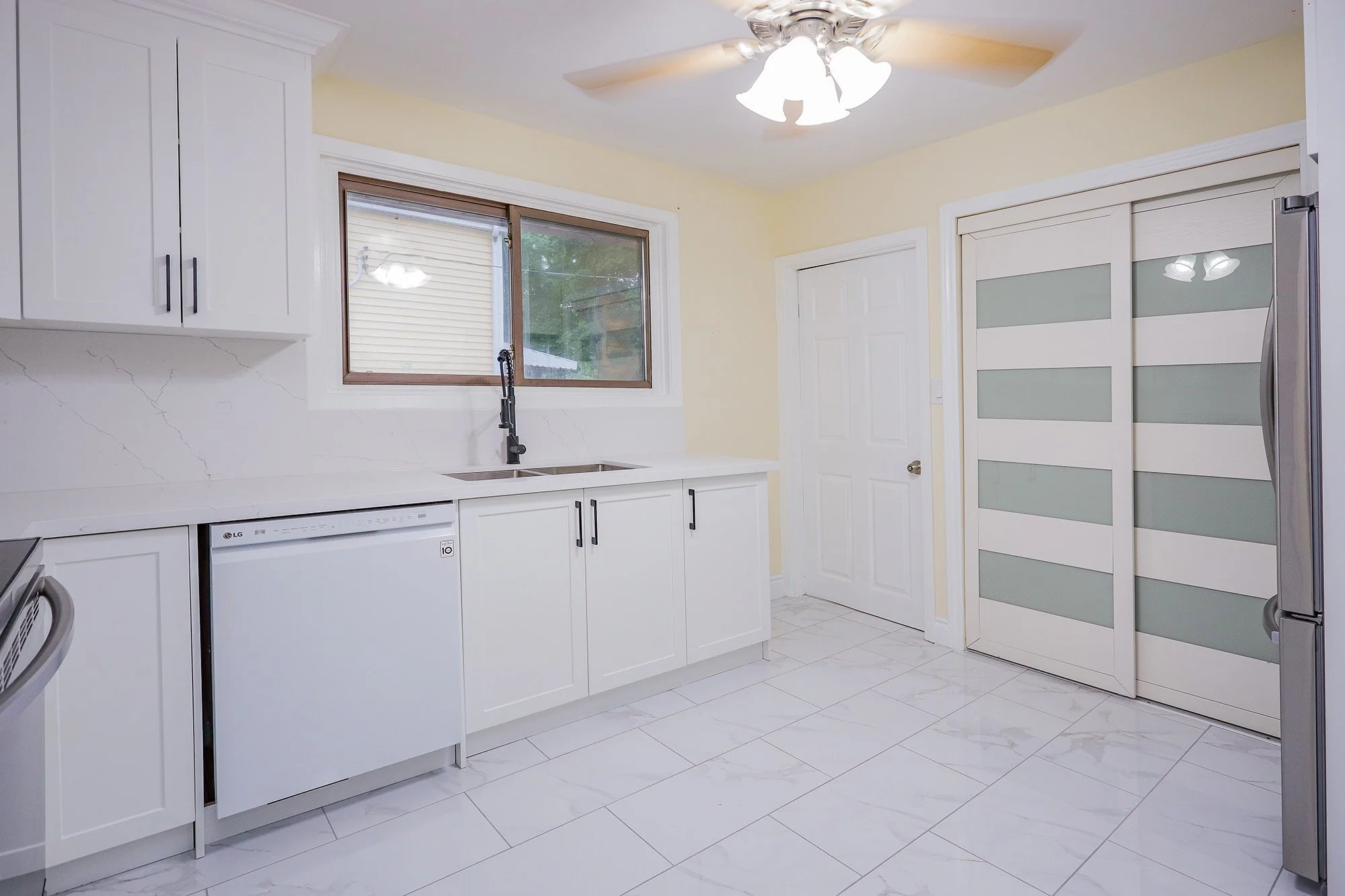
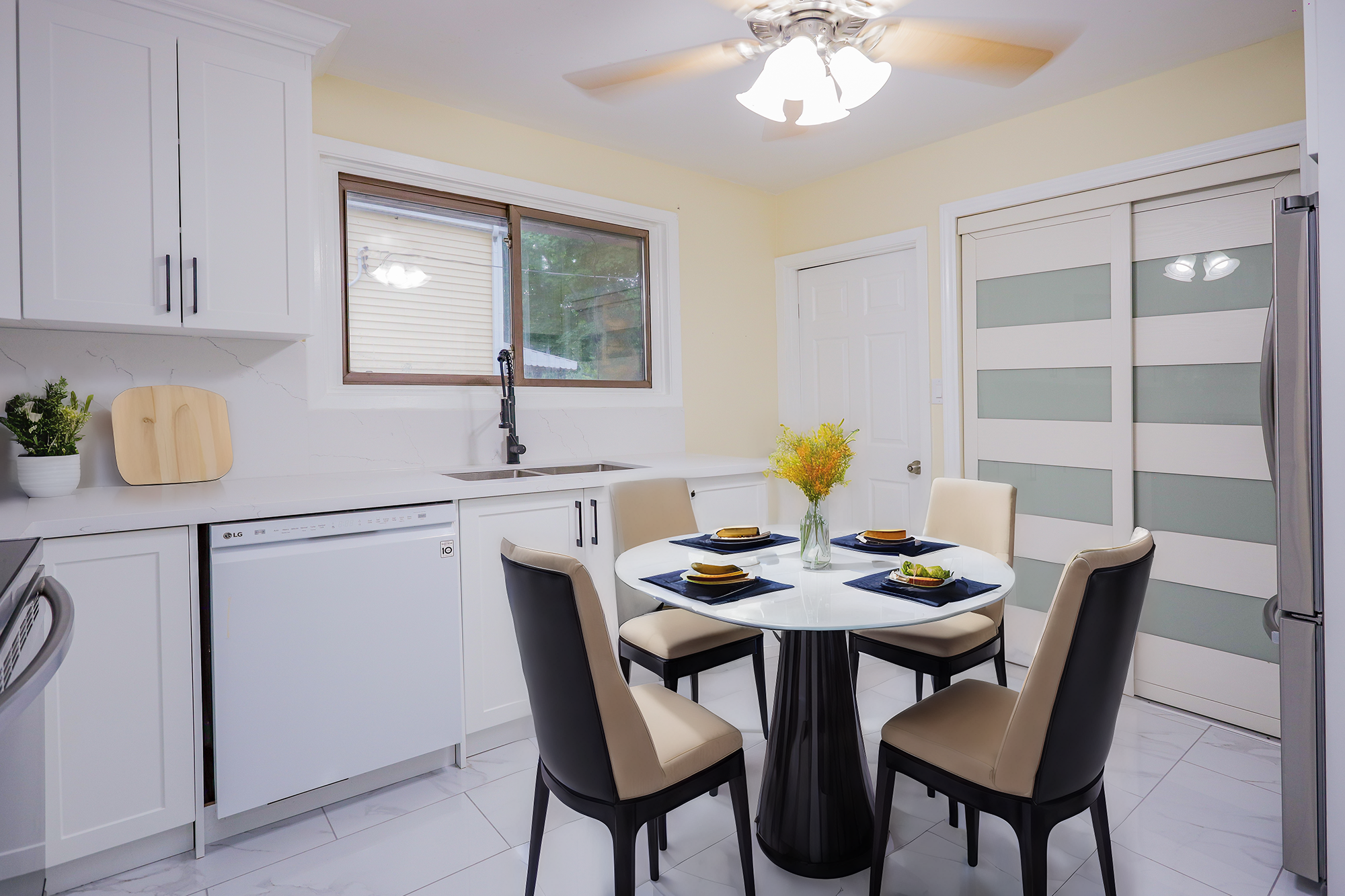
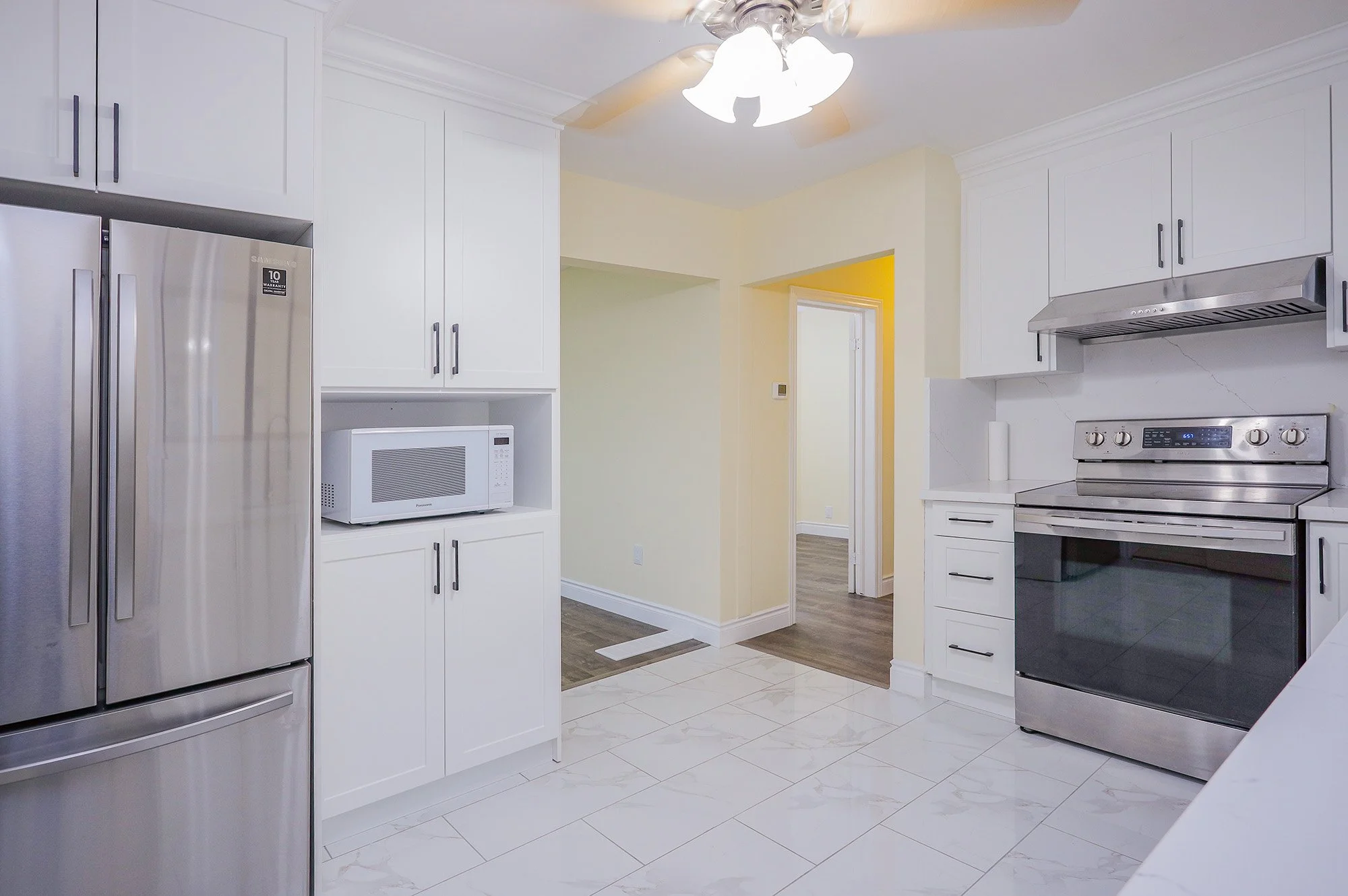
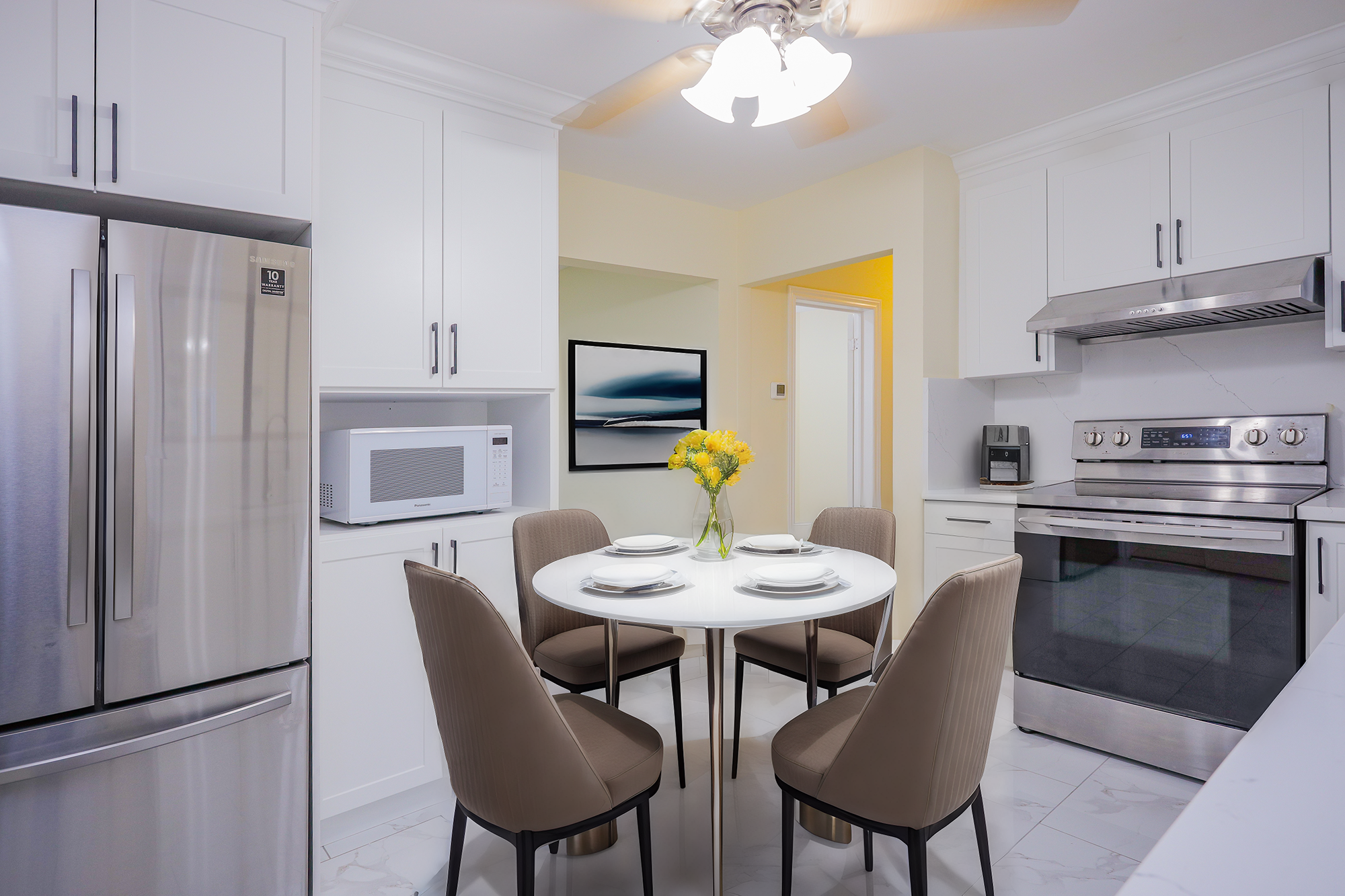
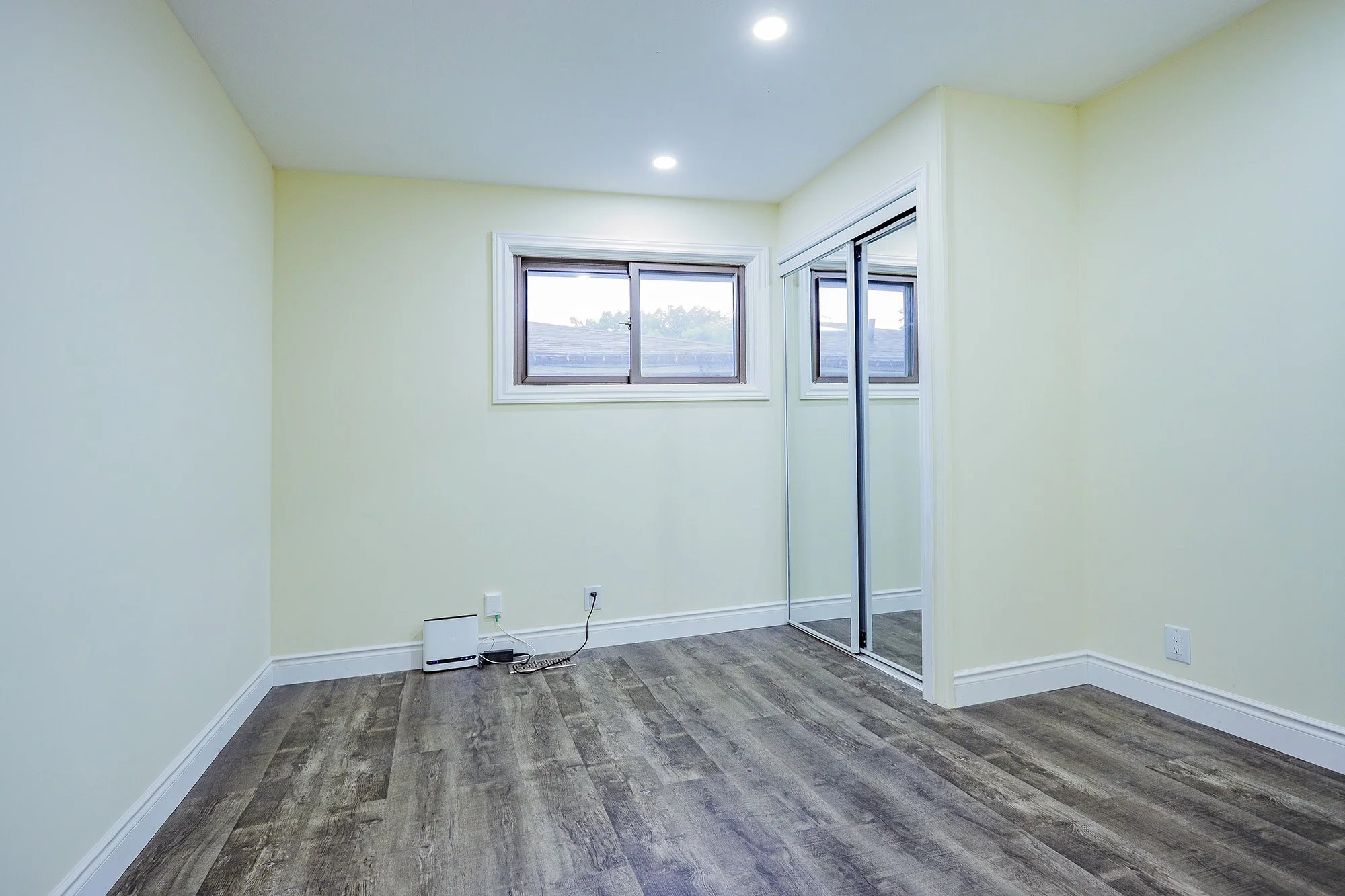
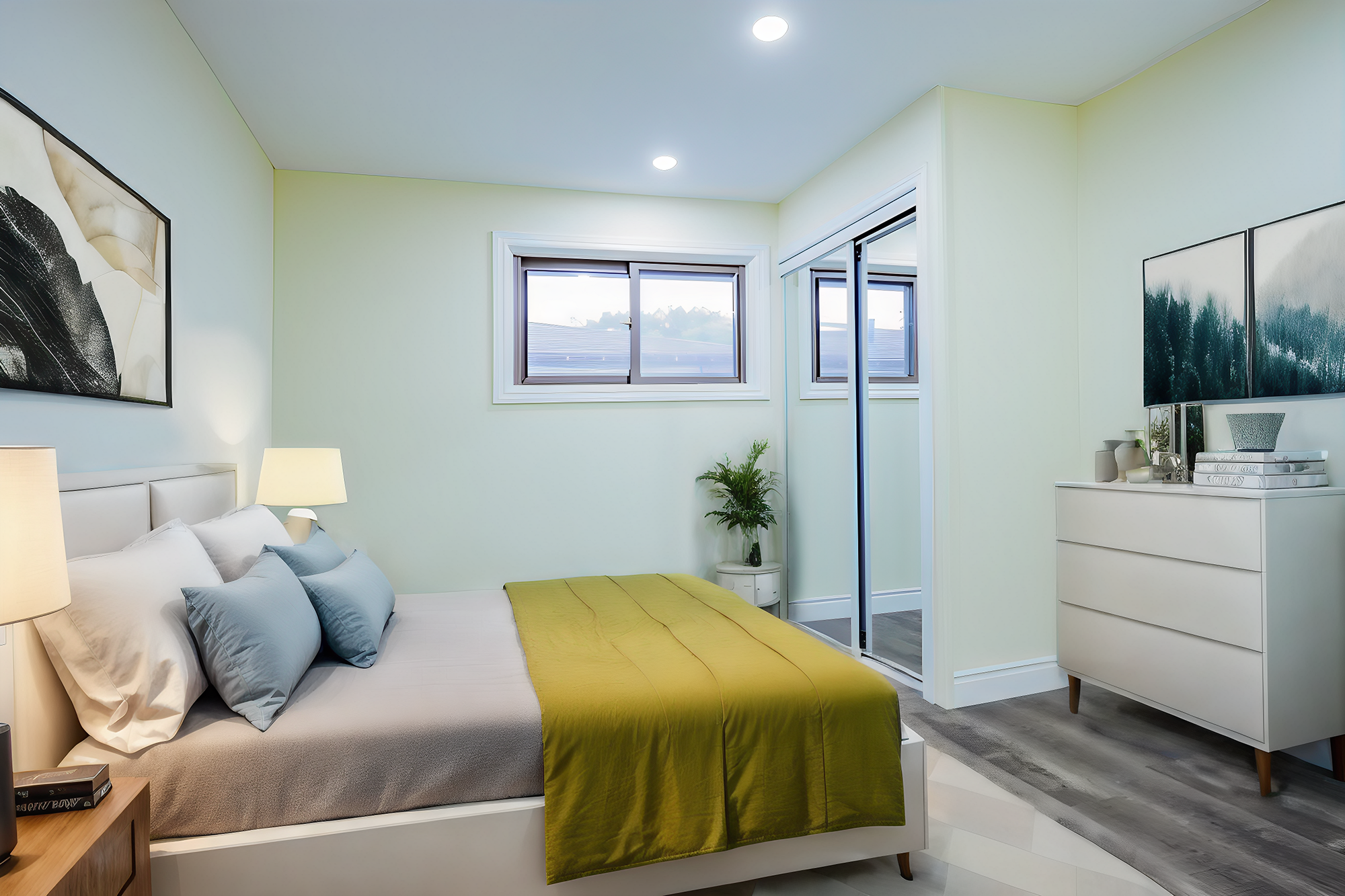
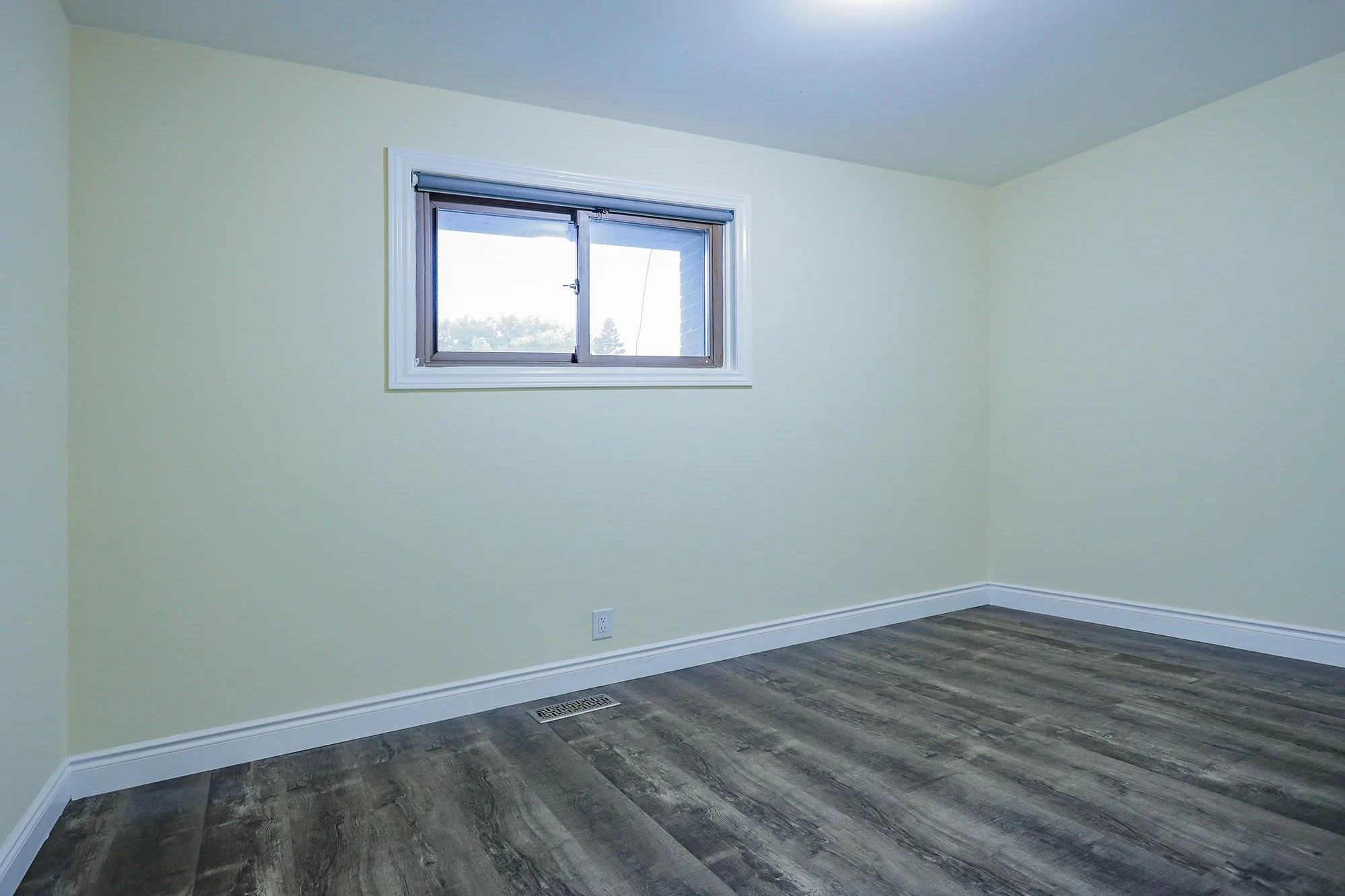
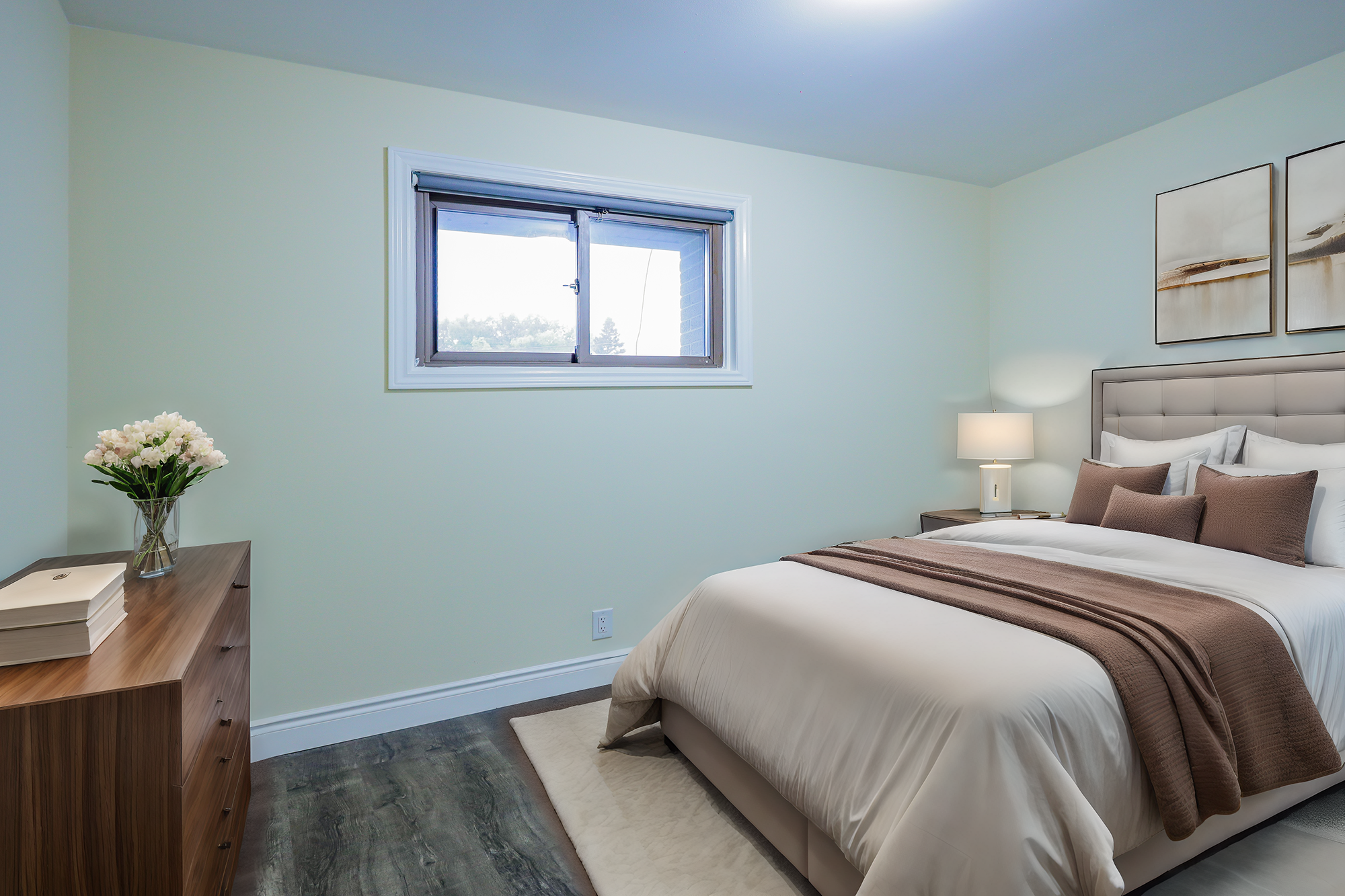
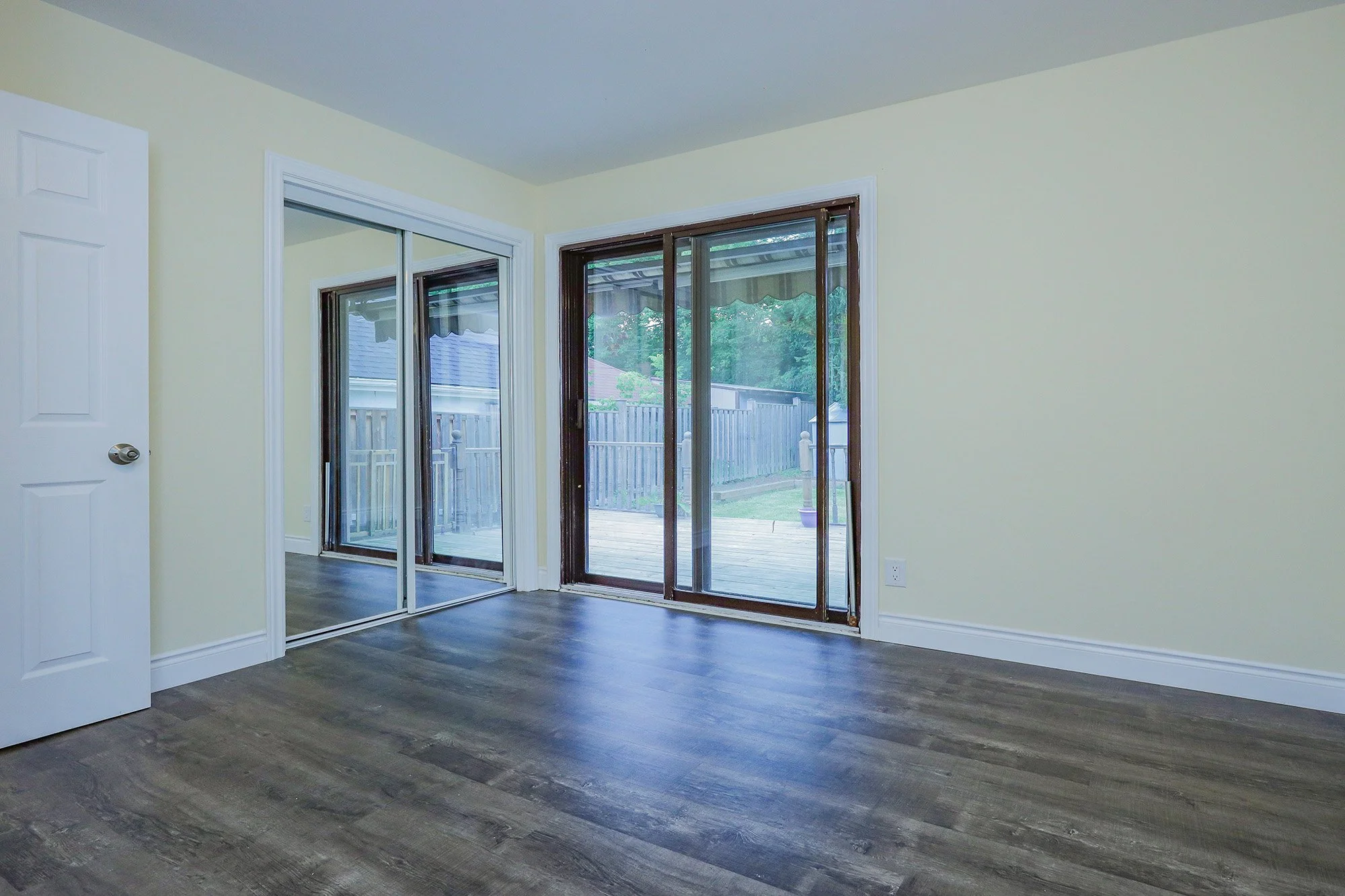
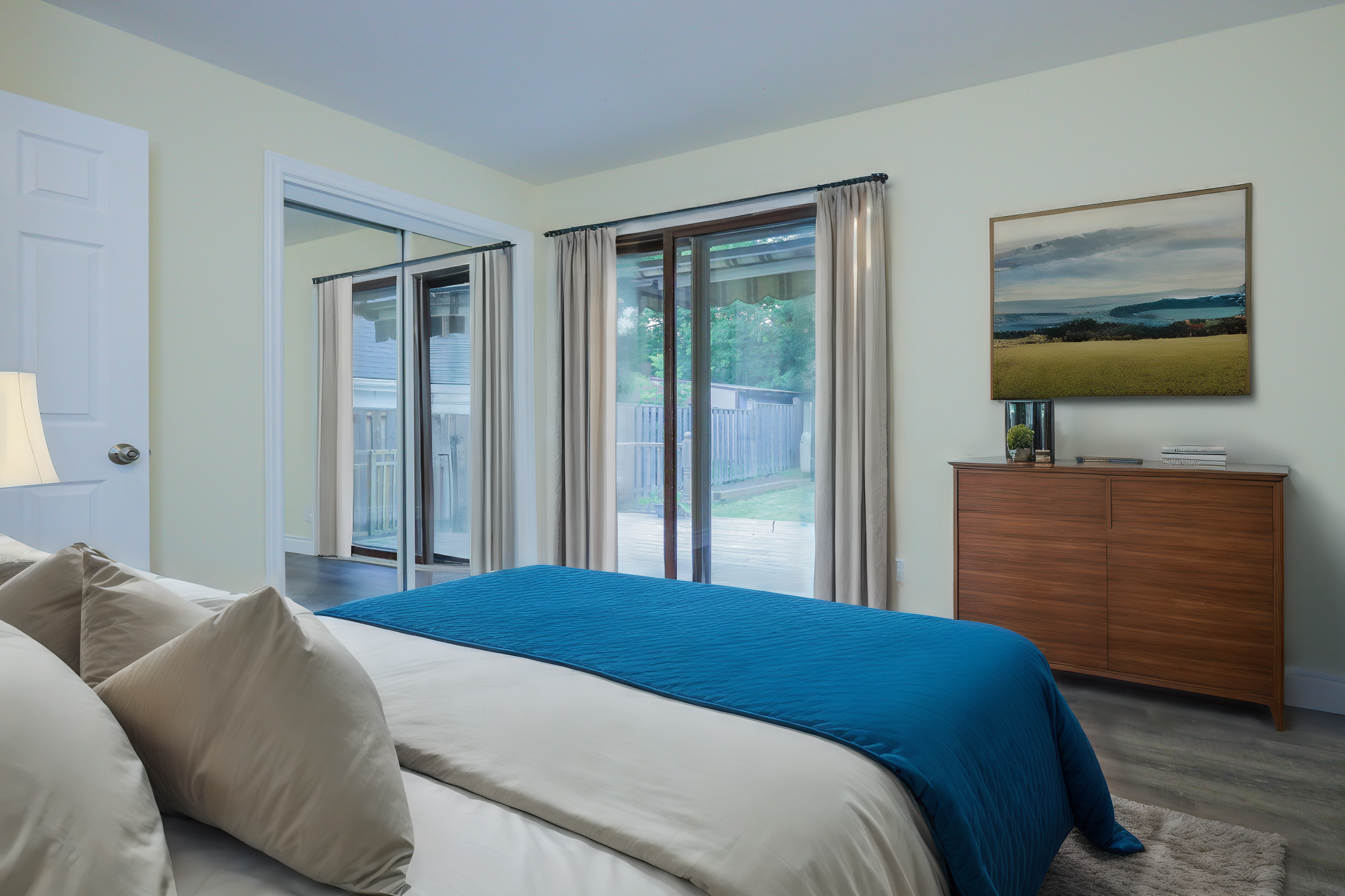
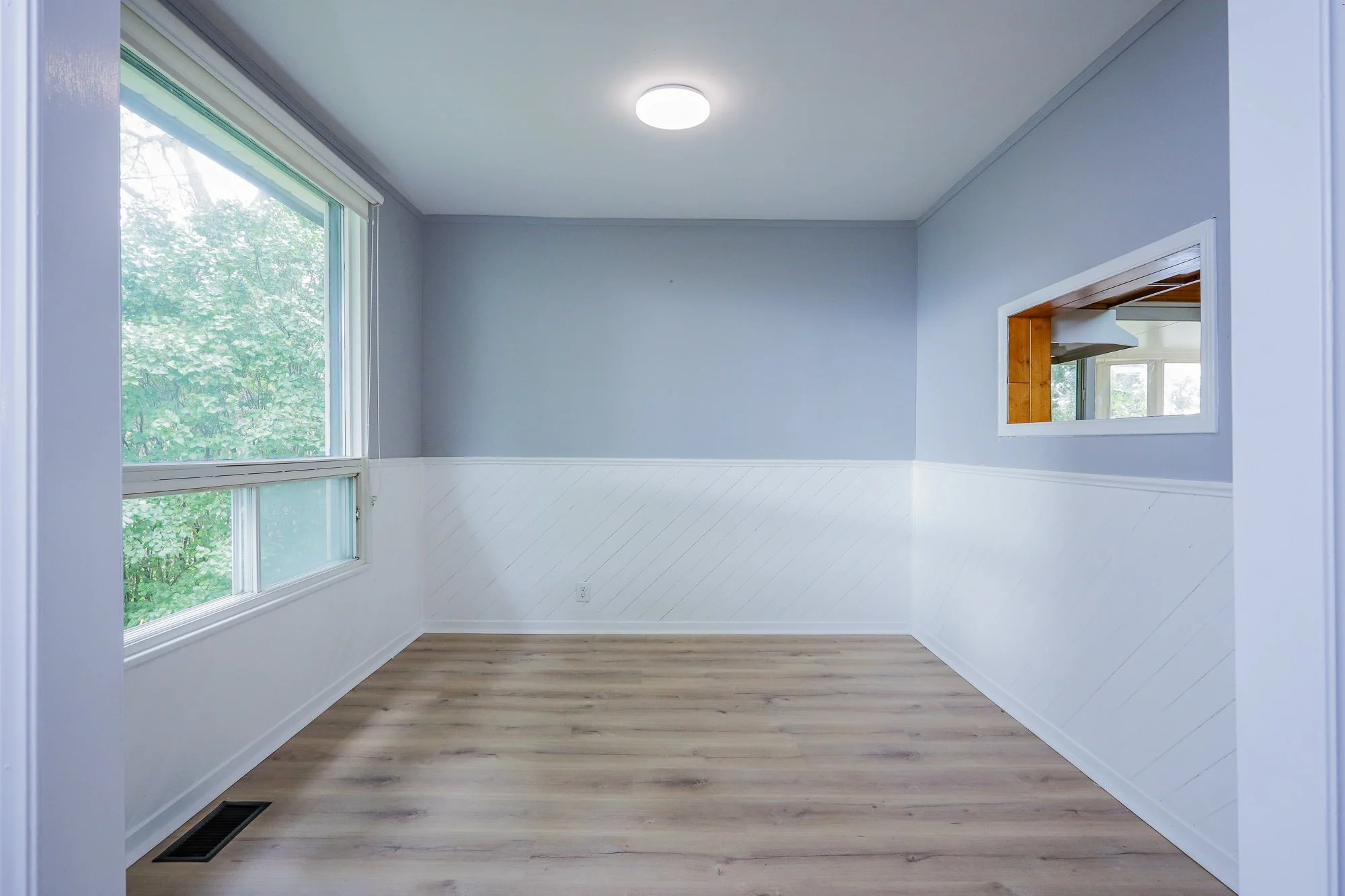
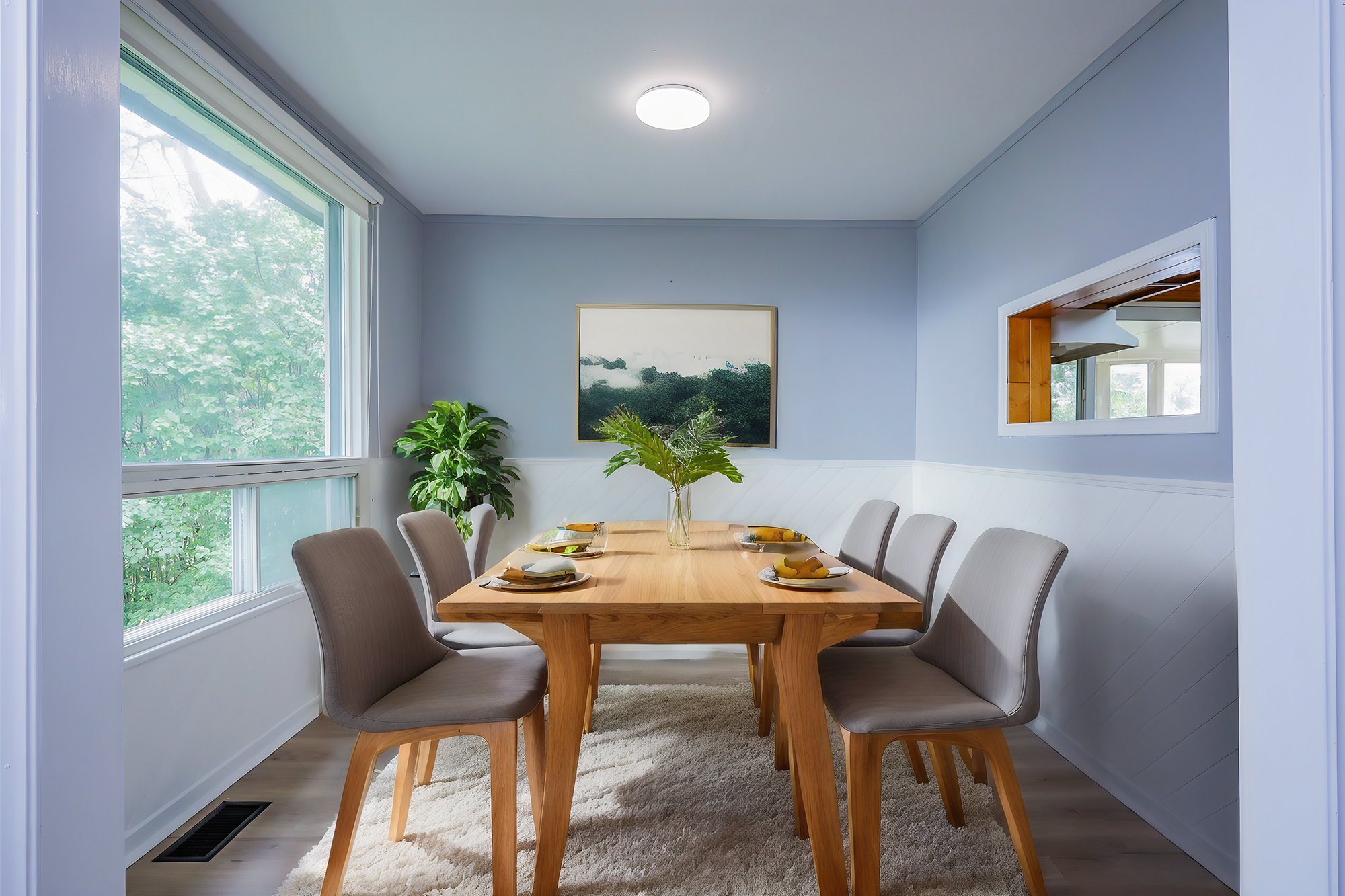
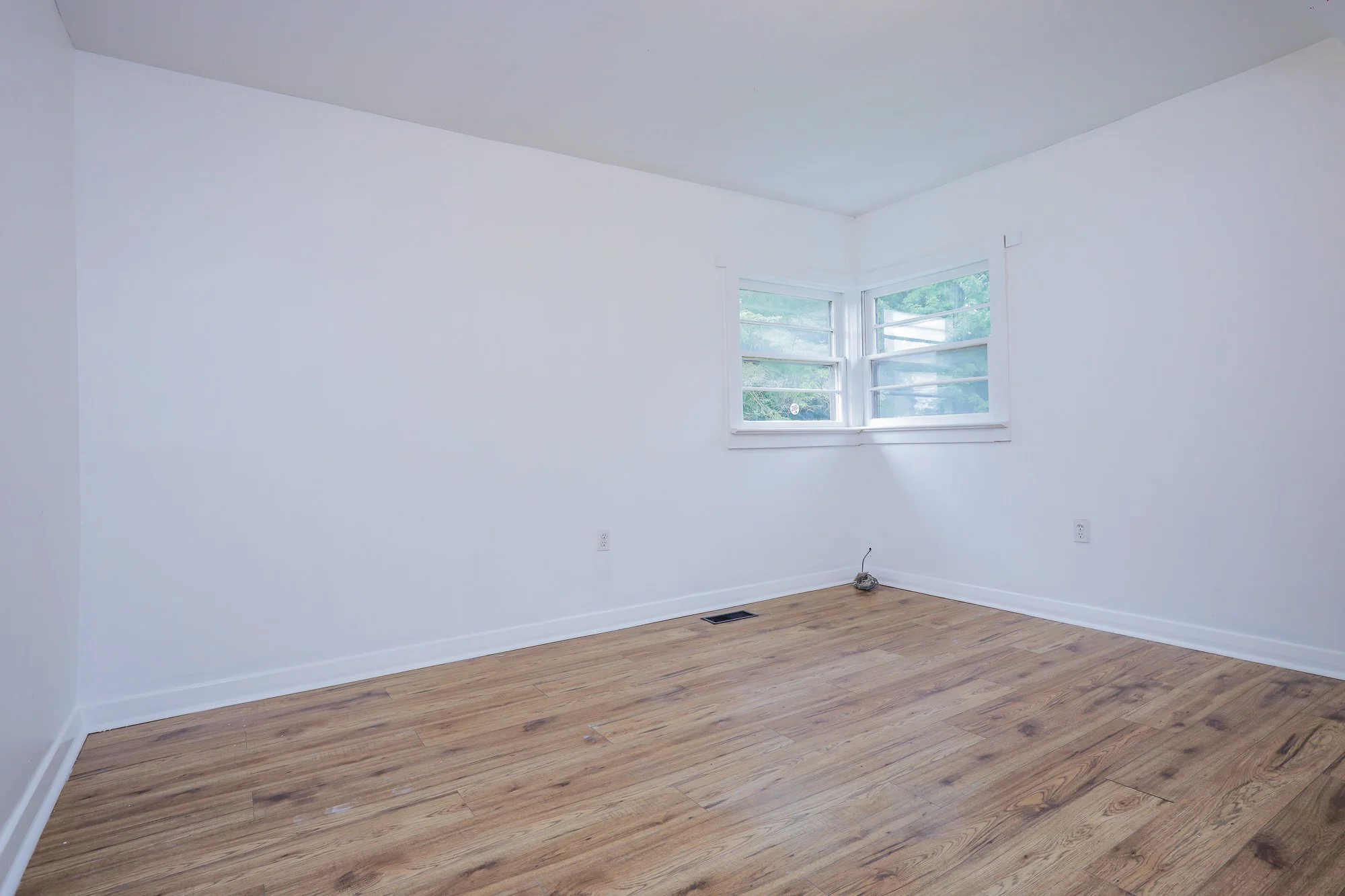
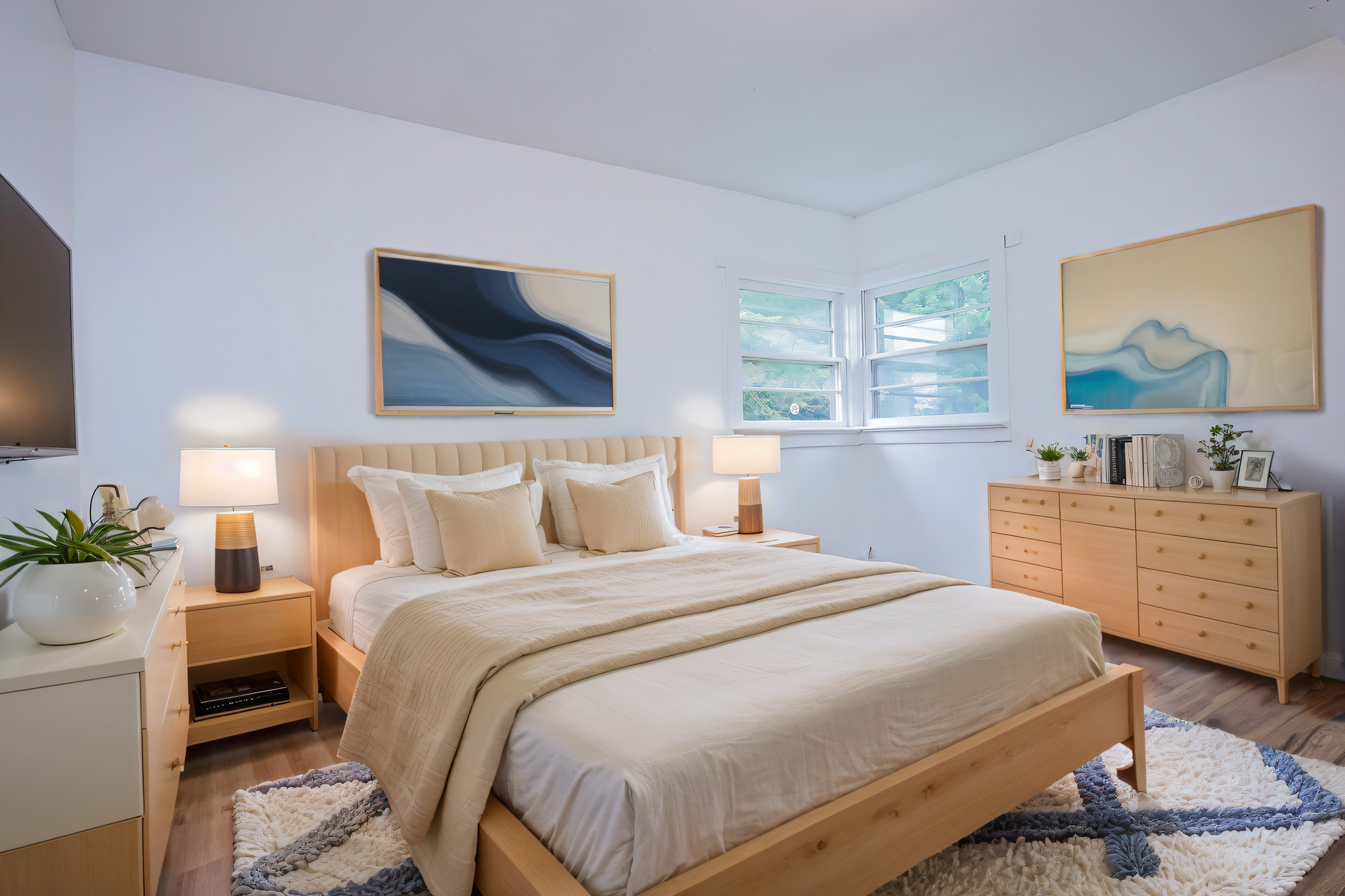
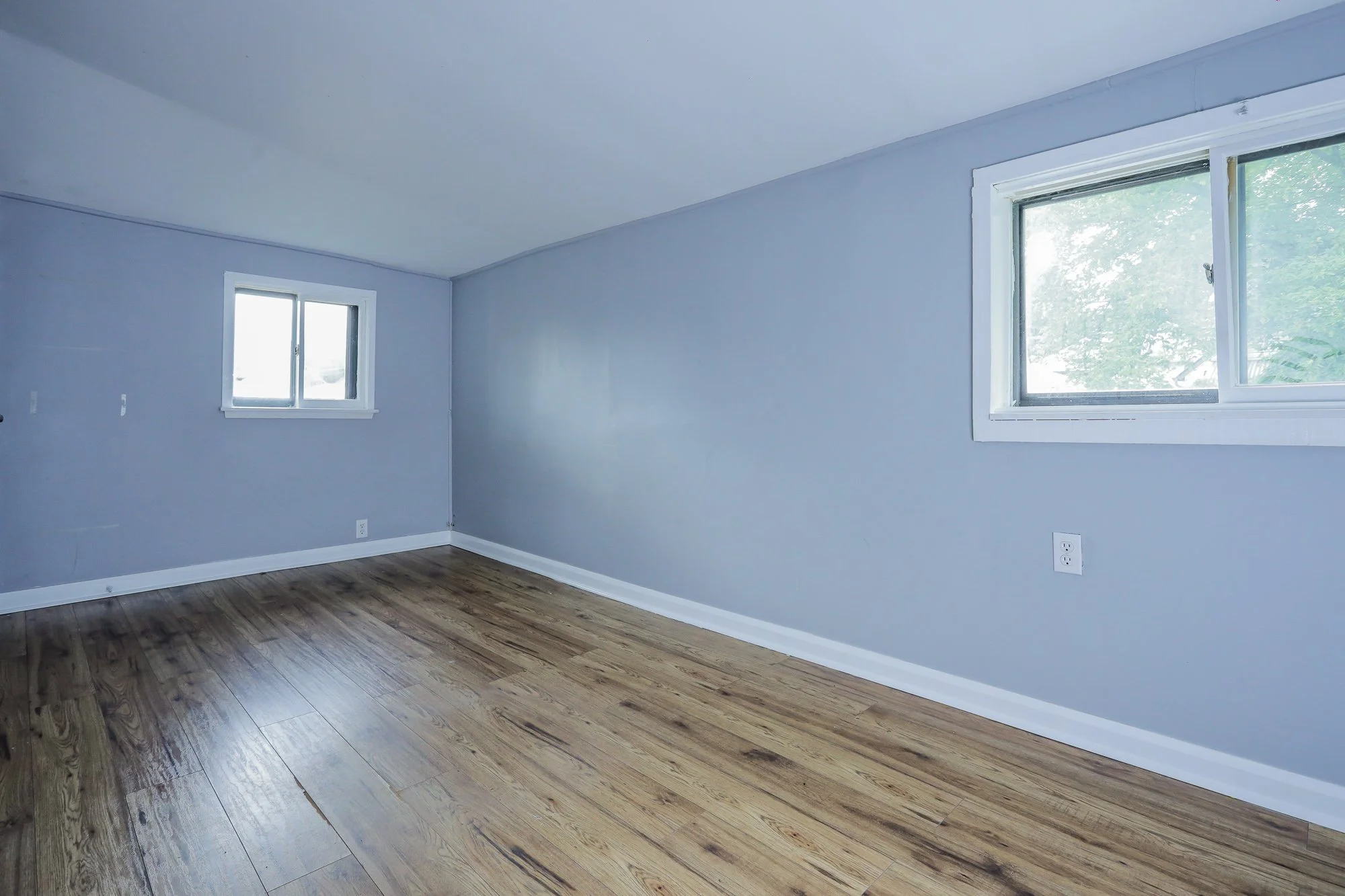
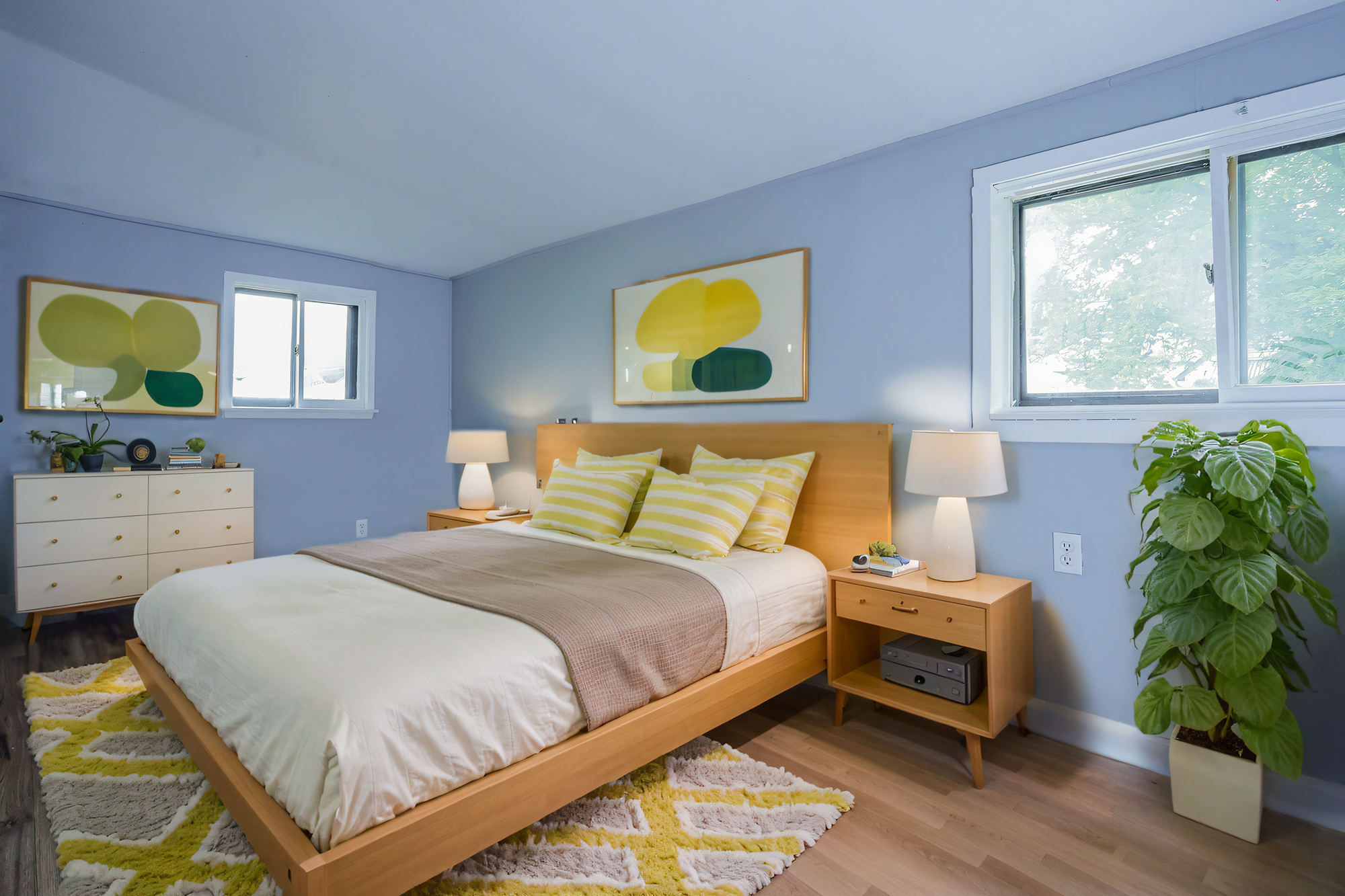
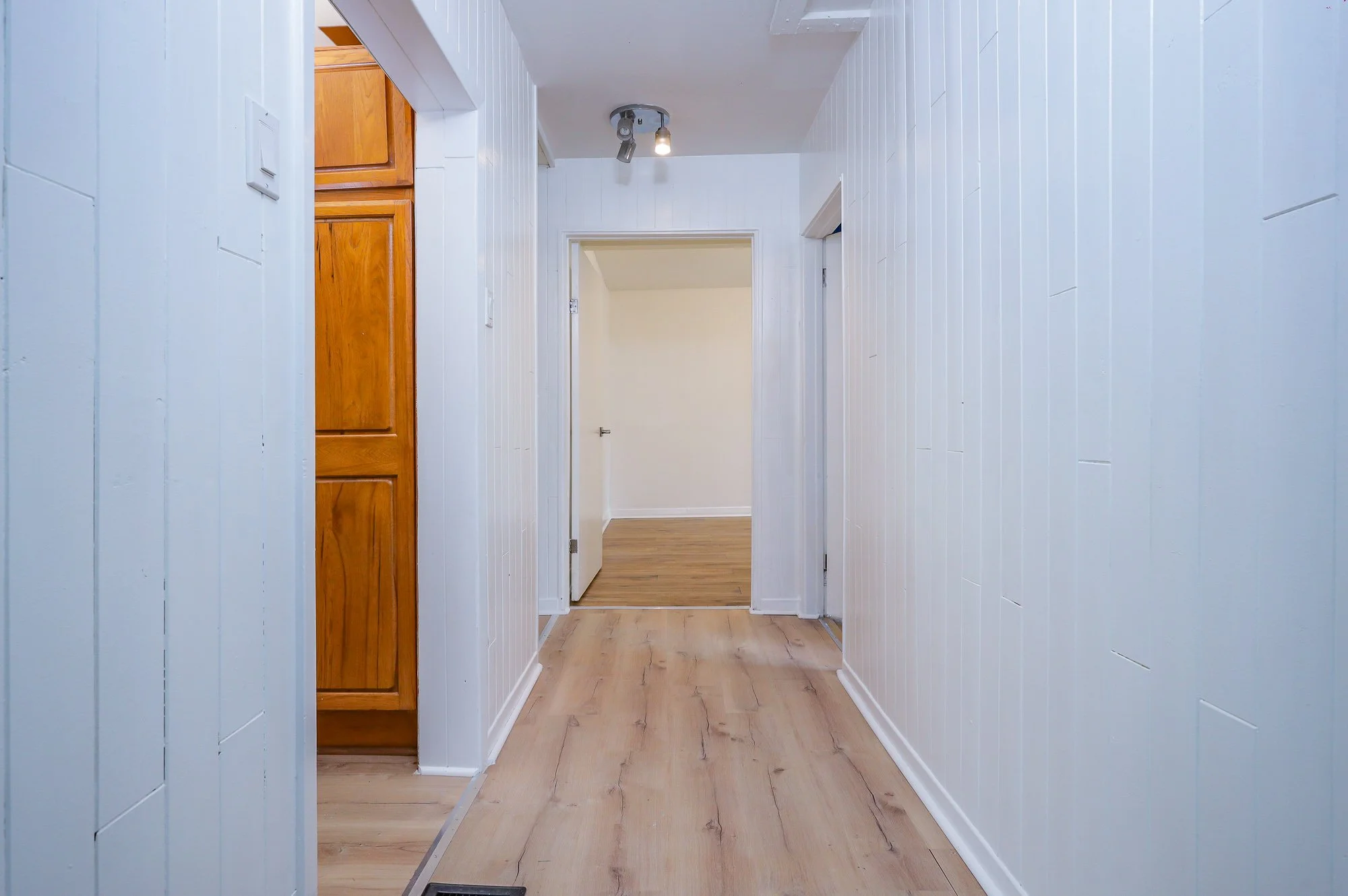
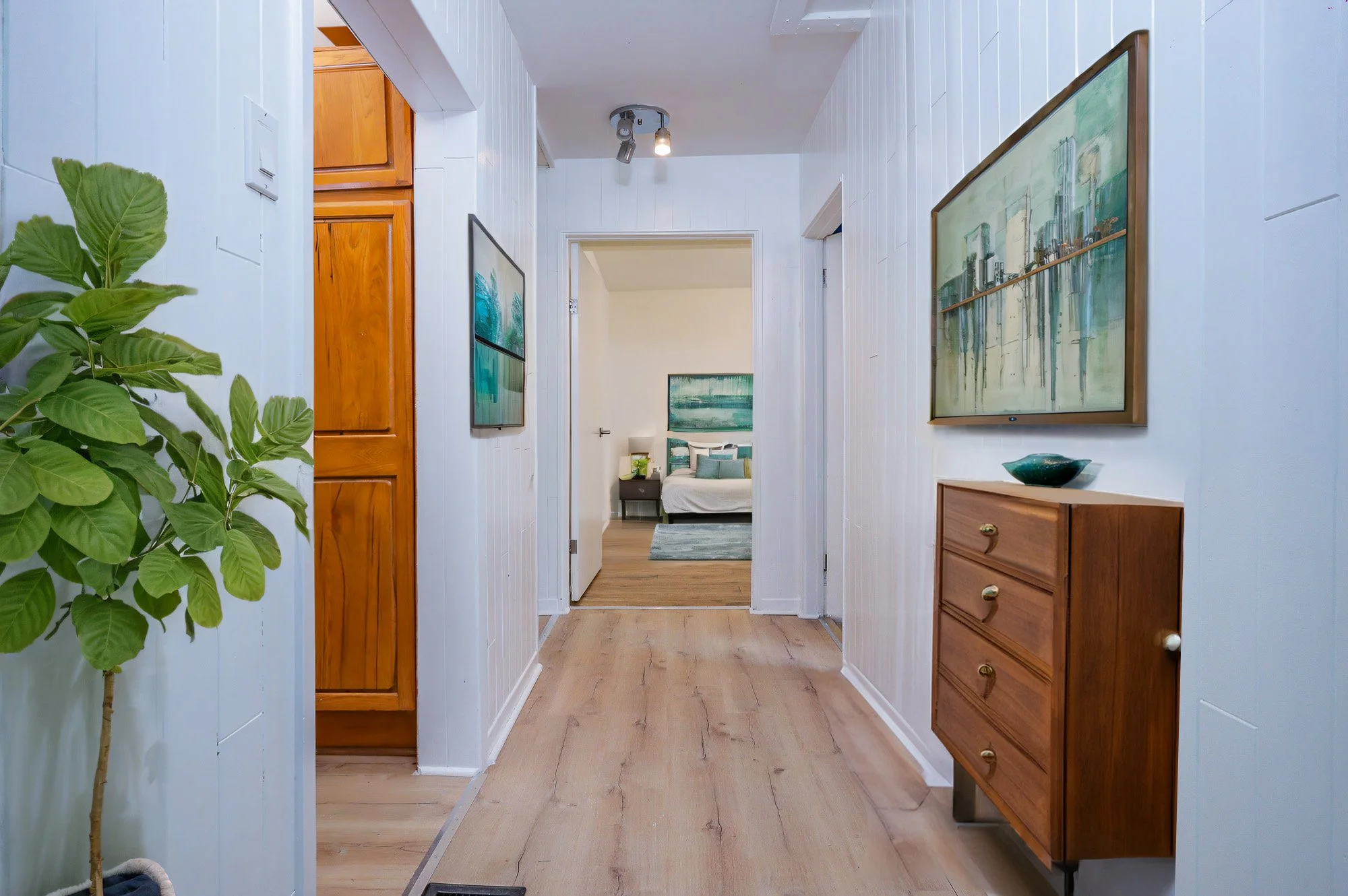
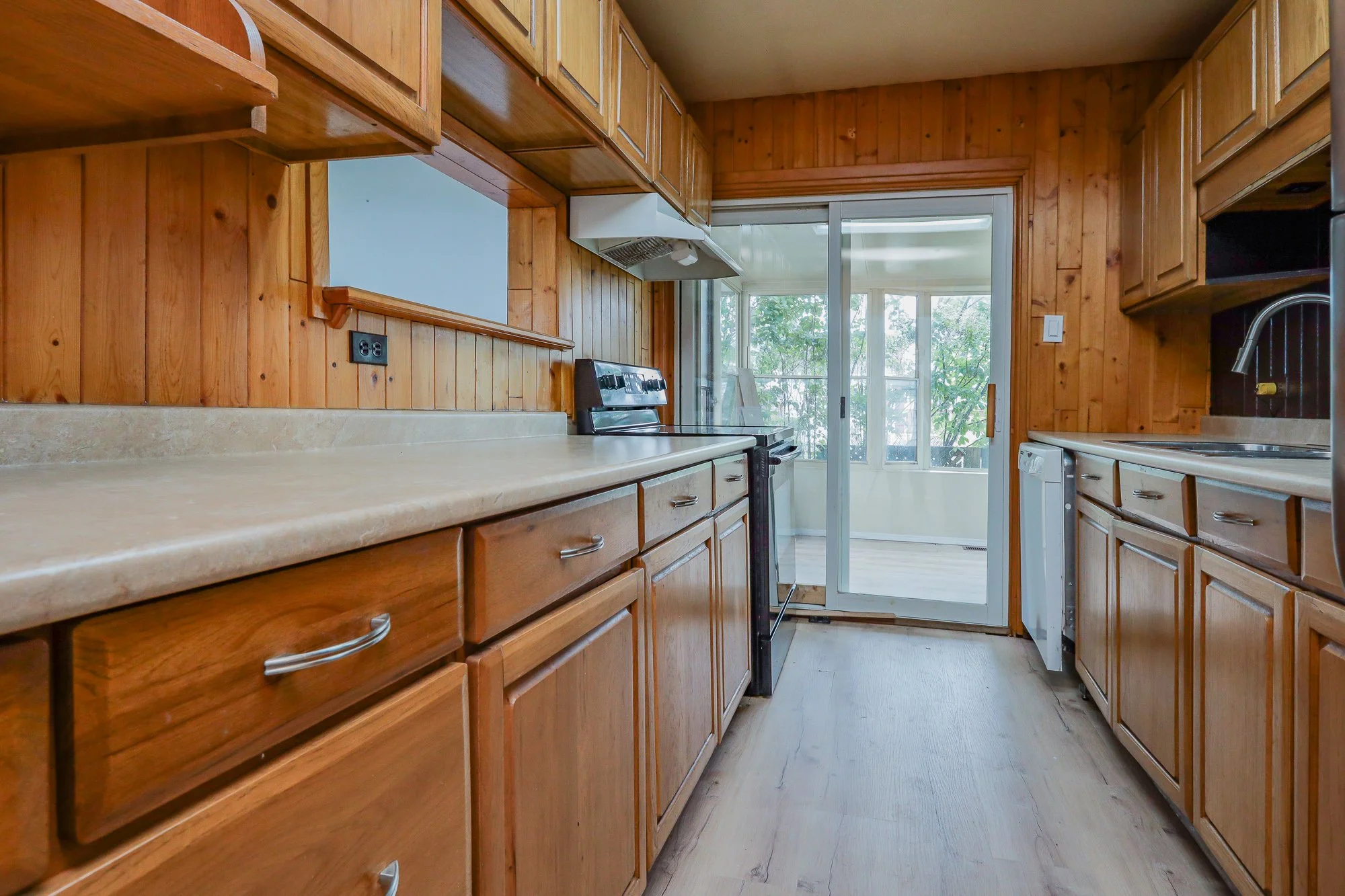
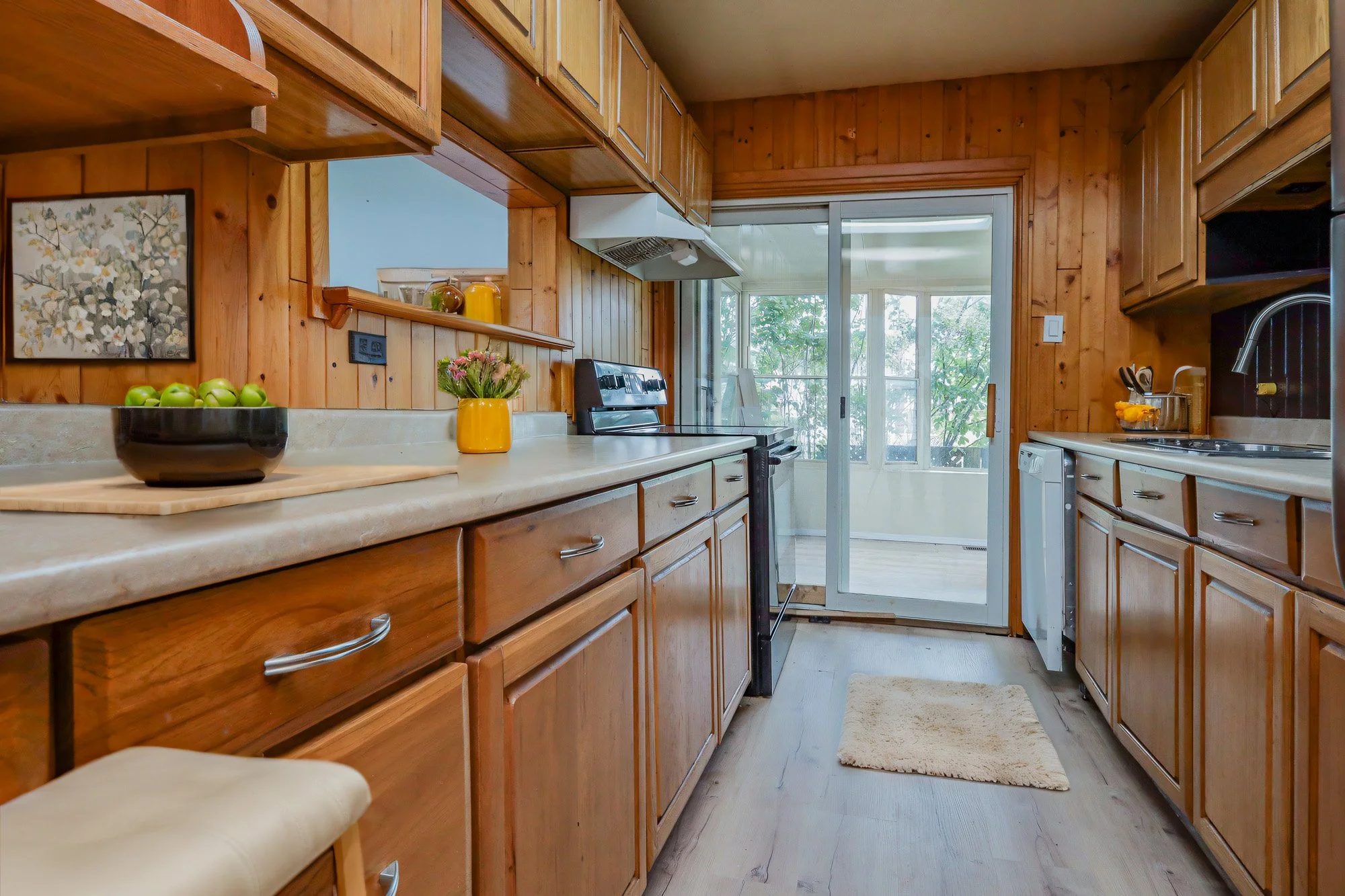
Here is a stunning gallery of Real Estate Photos with Virtual Staging, perfectly illustrating why this modern technique is becoming a non-negotiable tool for realtors and sellers alike.
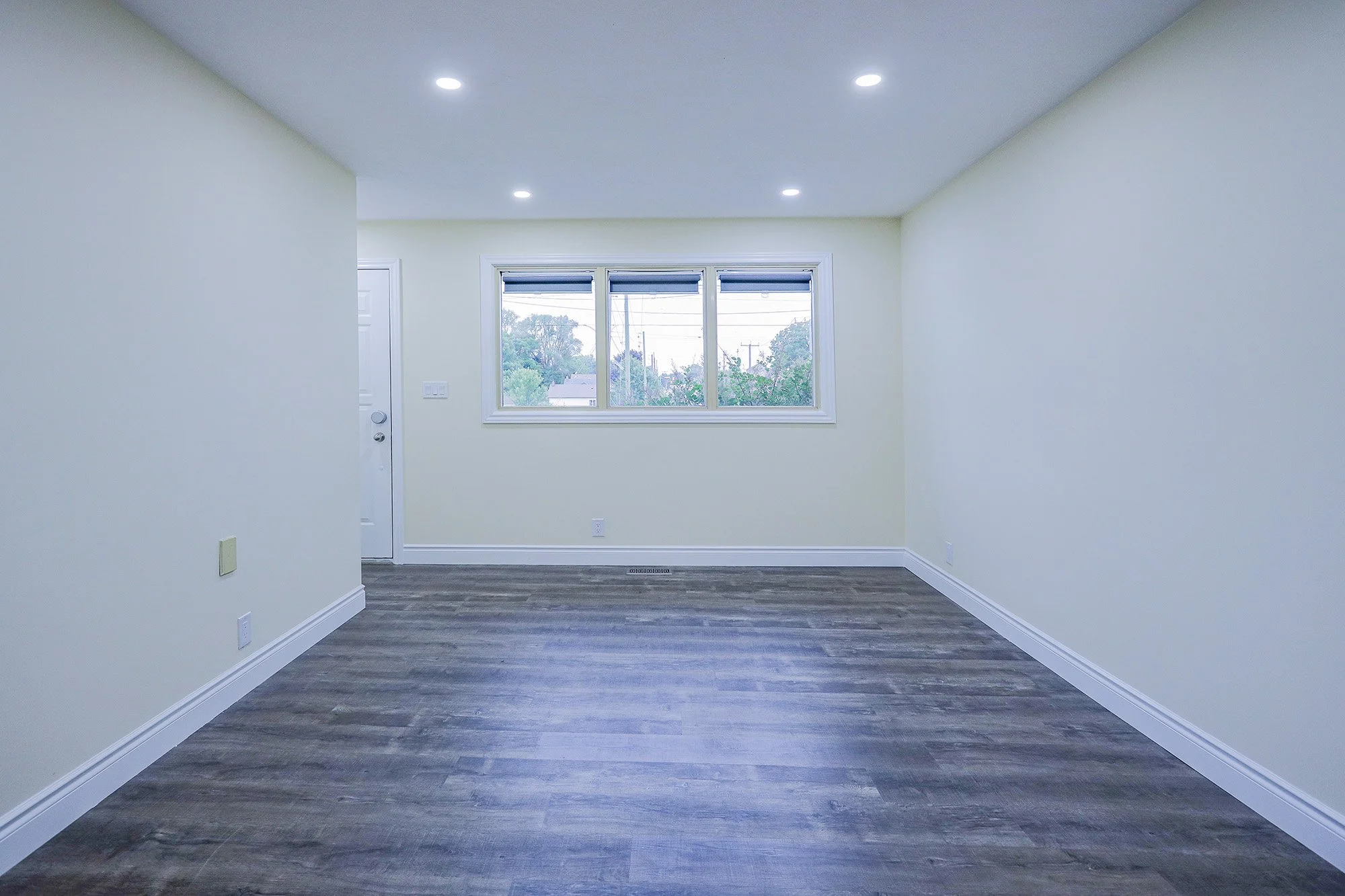
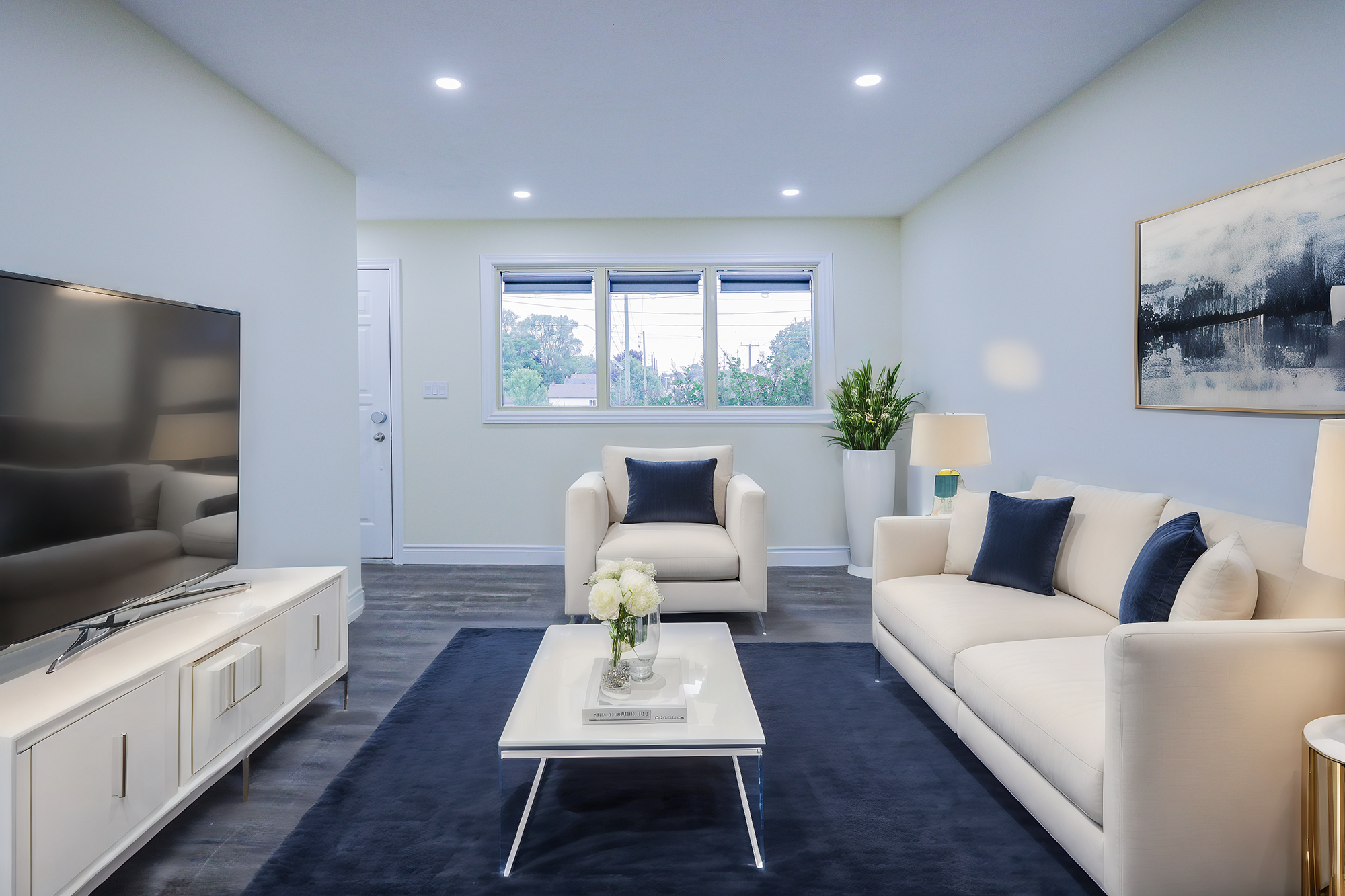
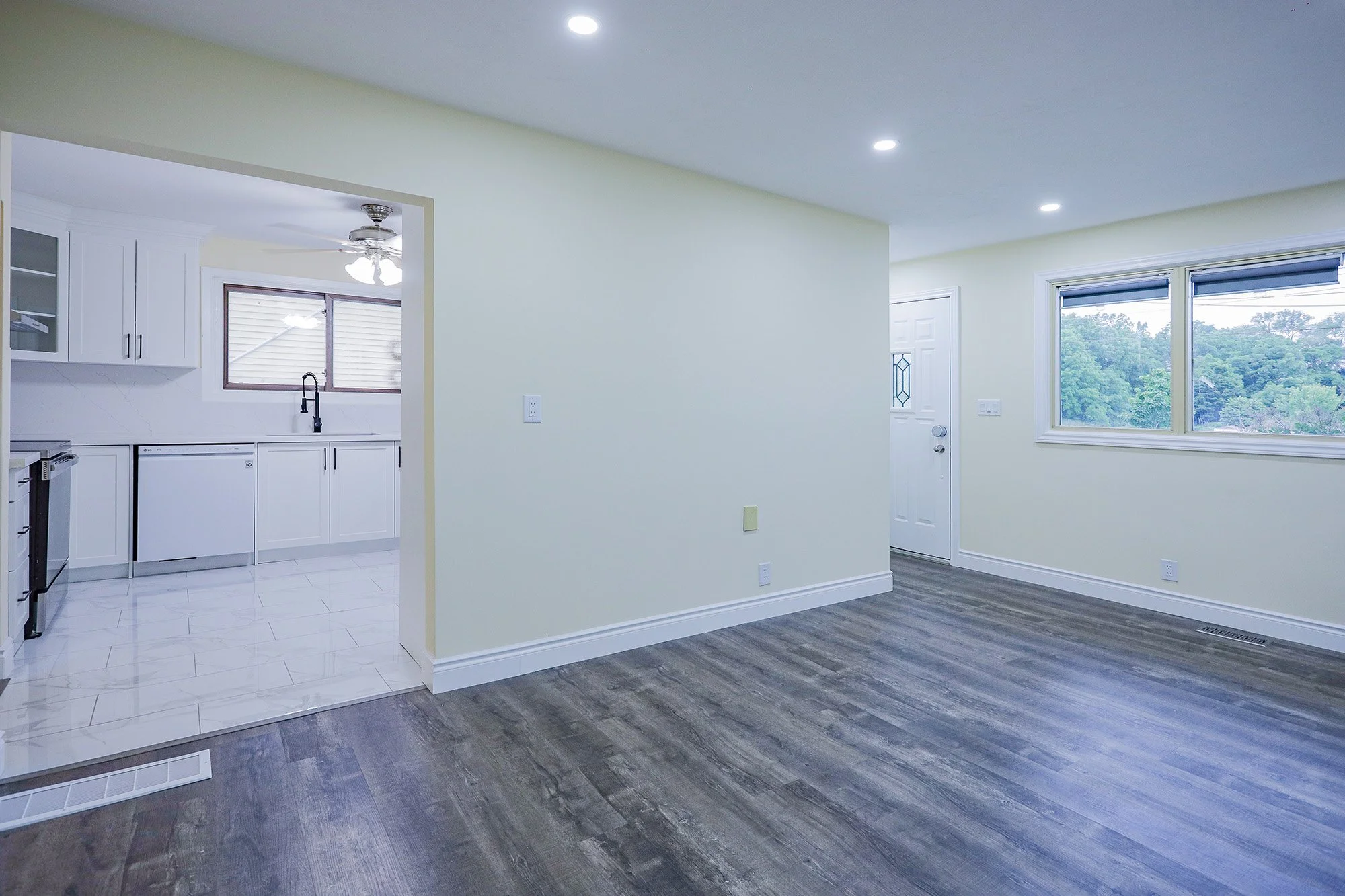
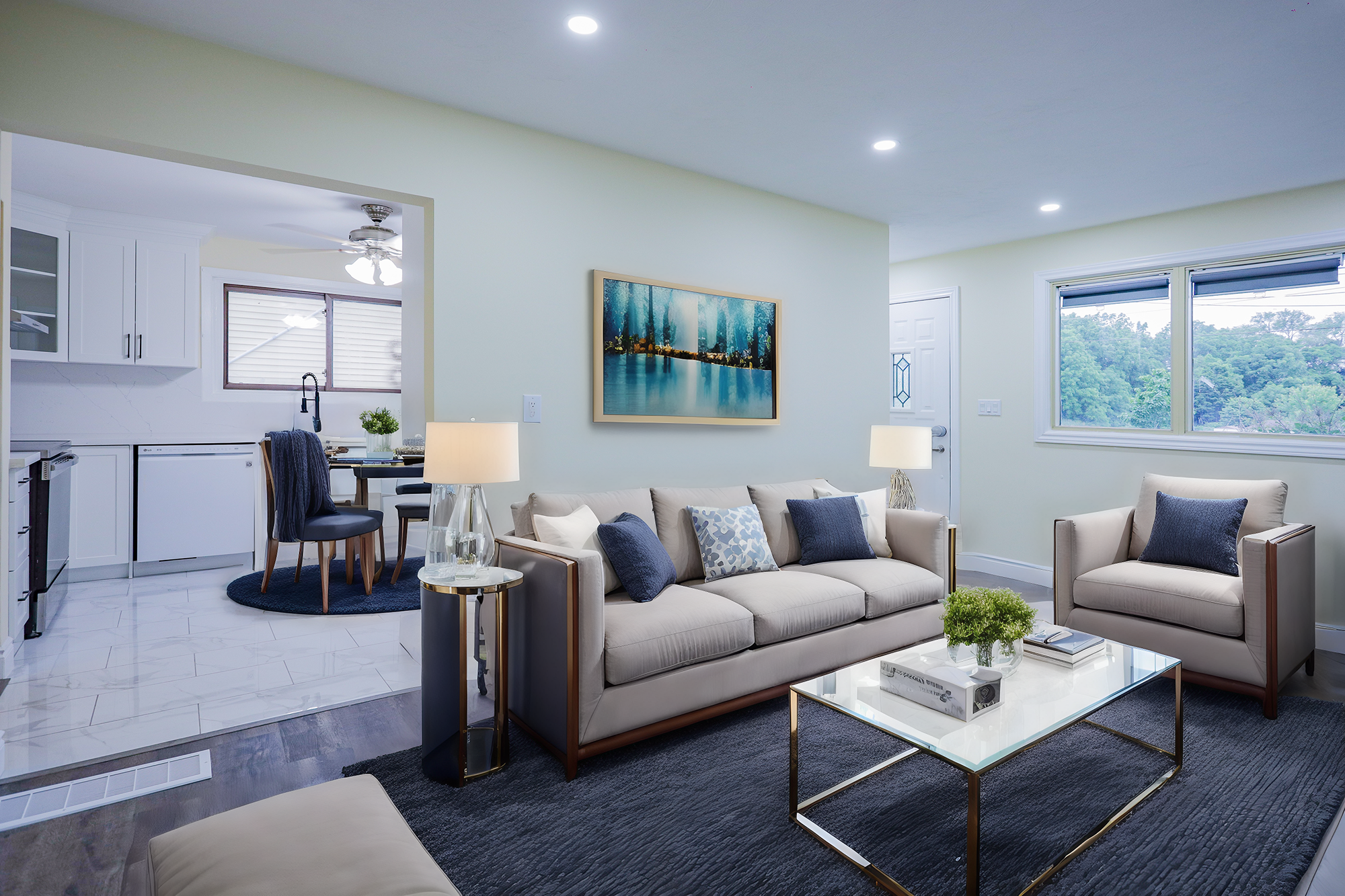
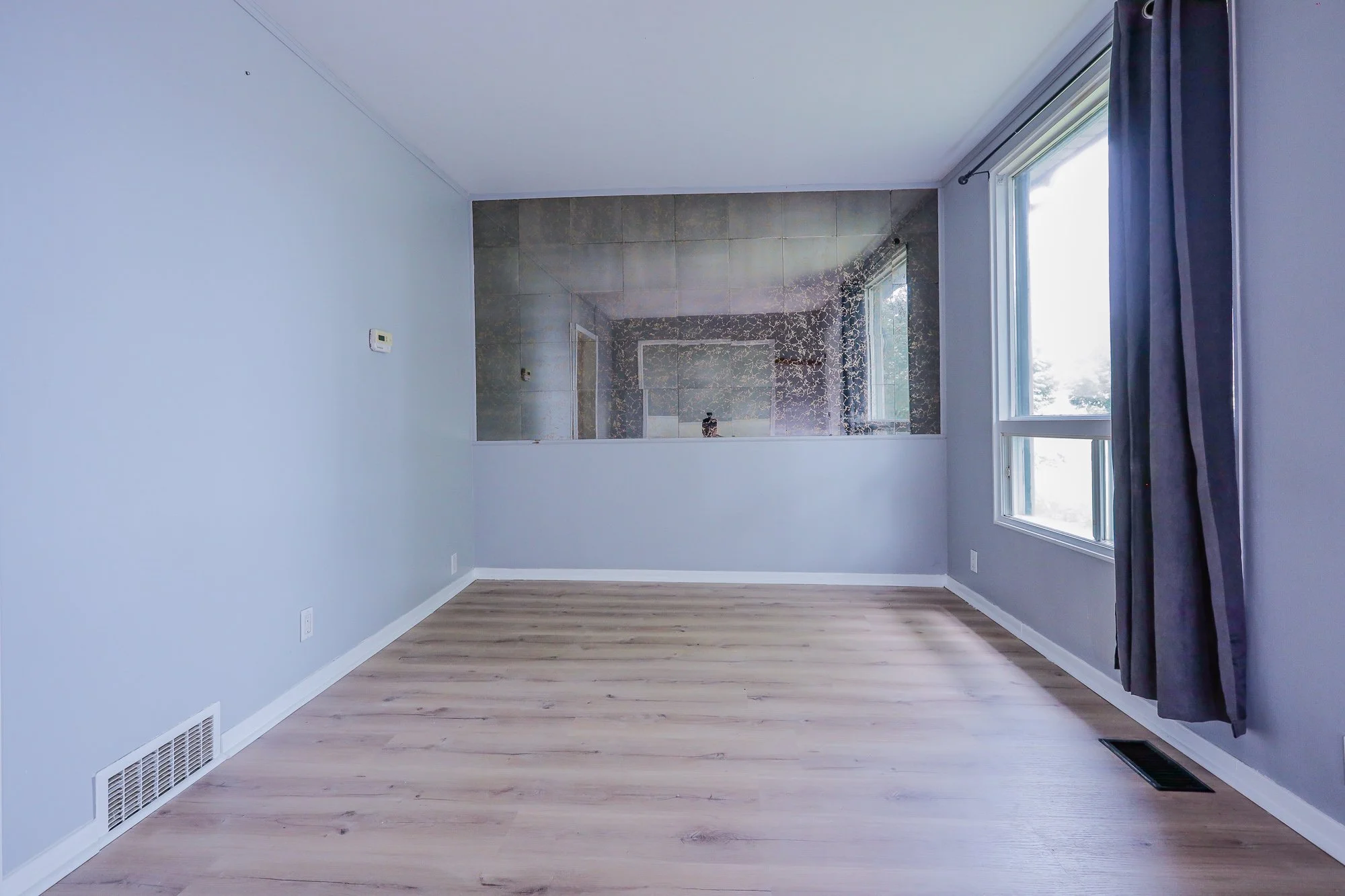
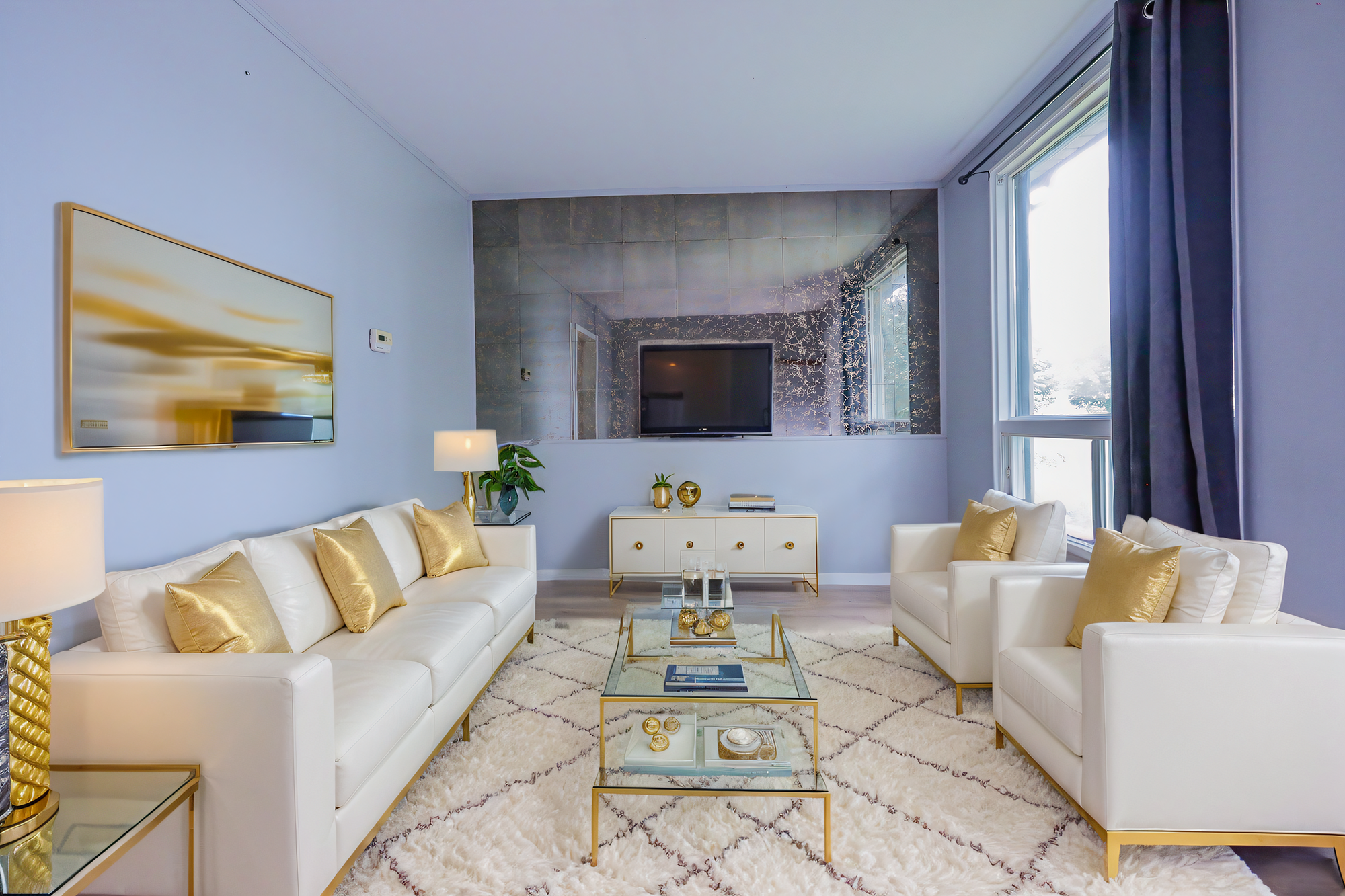
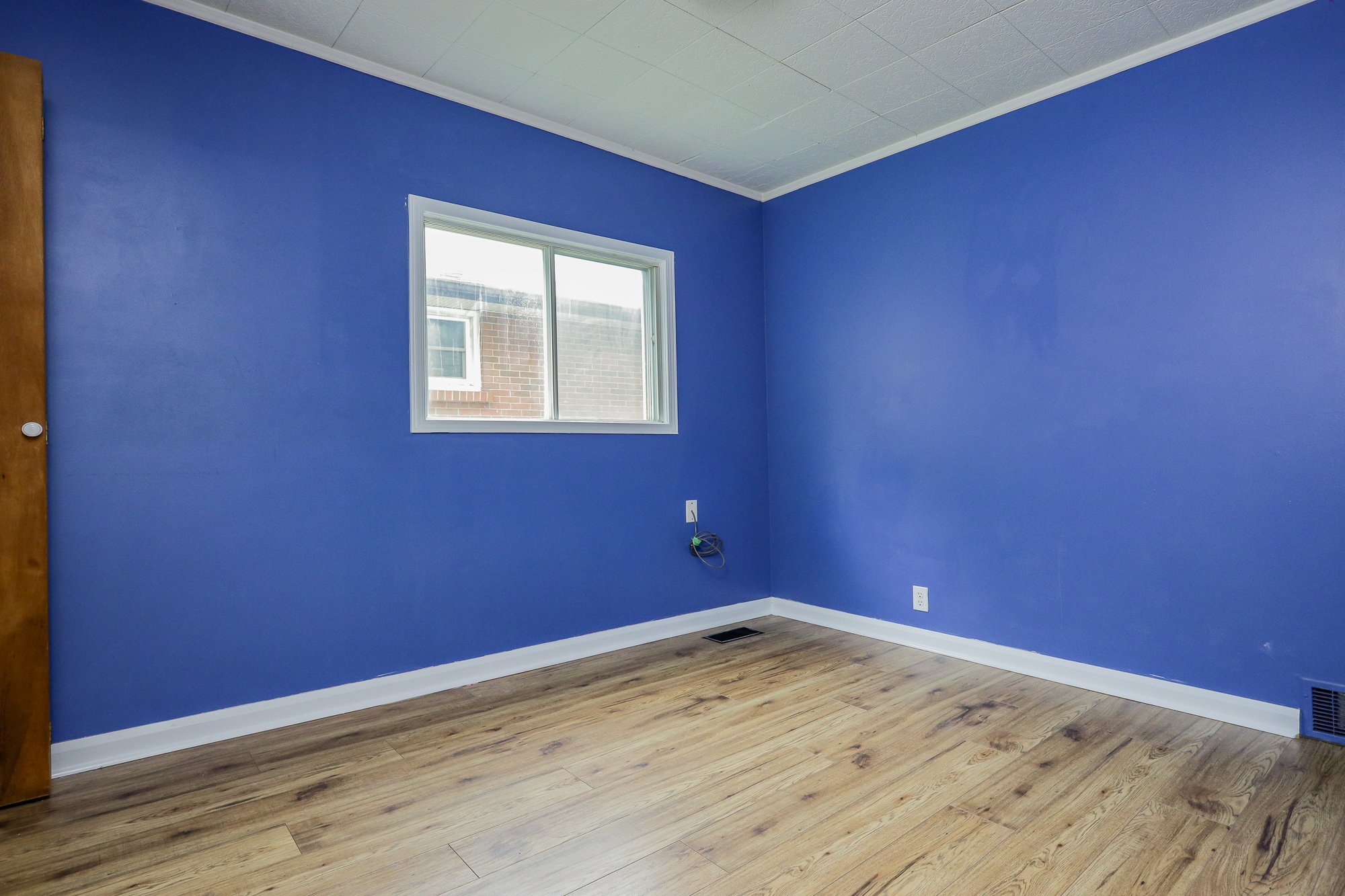
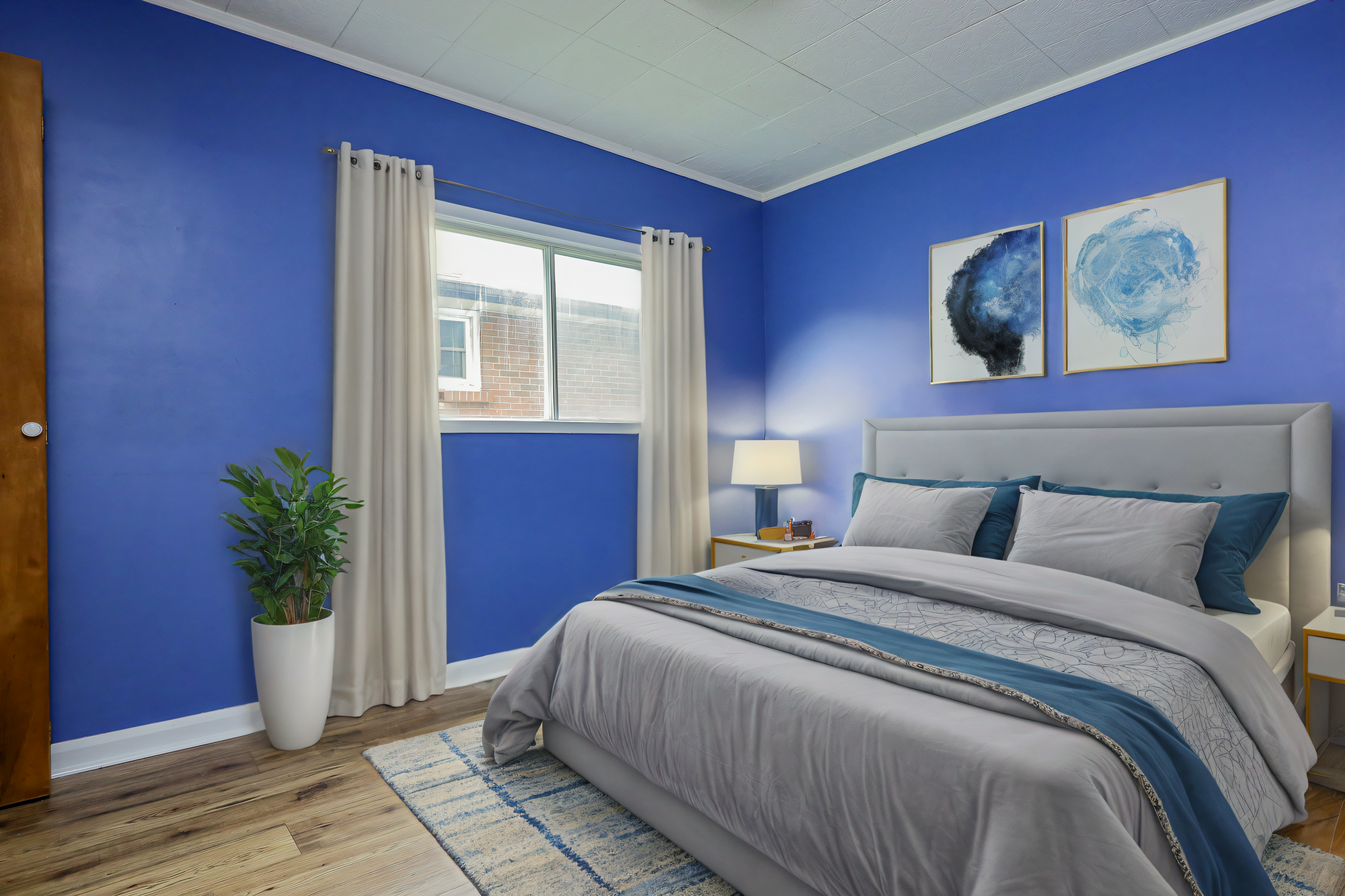
What is Virtual Staging?
Instead of spending thousands of dollars to rent physical furniture, hire movers, and hire a designer to style an empty property, virtual staging relies on high-quality real estate photography and advanced 3D rendering.
Photographers shoot the vacant rooms from the best possible angles, capturing the natural light and architectural details. Then, using specialized software, digital artists meticulously place photorealistic furniture, rugs, art, and decor into the image. The result? A warm, inviting space that looks like it belongs in an interior design magazine.
Why Virtual Staging is Changing the Game
Looking through the side-by-side comparisons on BlueHousePhotos' recent showcase, the benefits are immediately clear. Here is why virtual staging is outperforming traditional methods:
1. It Helps Buyers Visualize the Potential
An empty bedroom is just four walls. A virtually staged bedroom is a cozy retreat. By digitally adding a bed, nightstands, and soft lighting, buyers can instantly comprehend the scale of the room. It answers their immediate questions: Will a queen bed fit here? Is there room for a dresser?
2. It’s Incredibly Cost-Effective
Traditional home staging can cost anywhere from $2,000 to $5,000+ per month, depending on the size of the home and the quality of the furniture. Virtual staging costs a fraction of that price and requires a one-time fee per photo. There are no ongoing rental costs while the property sits on the market.
3. Ultimate Design Flexibility
Does the home have a modern, industrial vibe? Or is it a cozy, traditional family home? Physical staging is limited by the inventory the staging company has on hand. With virtual staging, the design possibilities are endless. You can tailor the decor exactly to the demographic most likely to buy the home.
4. Zero Hassle and Faster Turnaround
Coordinating movers, dealing with scuffed walls, and waiting days for a staging company to set up can delay getting your listing on the market. Virtual staging requires zero physical heavy lifting. Once the photographer delivers the empty room shots, virtually staged photos can often be turned around in just 24 to 48 hours.
Seeing is Believing
The before-and-after files from BlueHousePhotos speak for themselves. You can see how cold, vacant spaces are transformed into beautiful living areas that demand attention on the MLS. A bare basement becomes an ultimate home theatre; an empty corner becomes a sun-drenched reading nook.
If you are a realtor or seller in the Greater Toronto, Kitchener, Waterloo, or Hamilton areas looking to make your listing stand out without breaking the bank, virtual staging is the way to go.
Want to see the transformations for yourself? Check out the full gallery on the BlueHousePhotos Blog to see the magic in action.
